Comparing Traditional Locks vs. Smart Locks: What’s Best for You?


Understanding Traditional Locks
For centuries, traditional locks have been the cornerstone of home security. These locks primarily rely on mechanical systems, using keys to operate. Their simplicity is often seen as a strength, making them easy to use and highly reliable. Many people appreciate the tactile nature of a traditional key, providing a sense of security and control.
Traditional locks are generally more affordable than their smart counterparts. They don't require any electronic components, which keeps costs down both upfront and in terms of maintenance. Plus, they are widely available, meaning you can find a traditional lock that fits nearly any door or style preference.

The Rise of Smart Locks
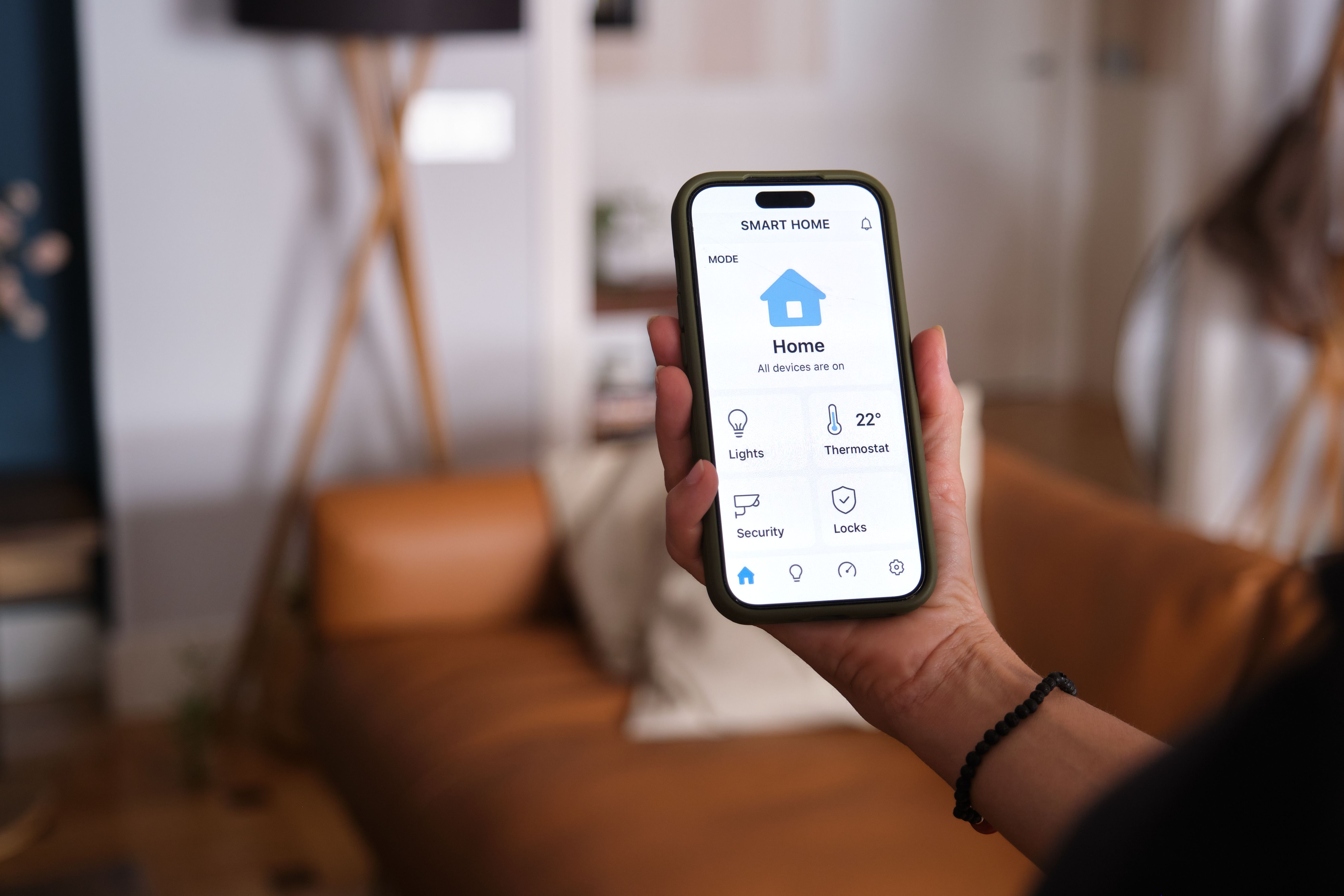
Smart locks have gained popularity as technology continues to advance. These locks offer a range of features that traditional locks simply can't match. From remote access via smartphone apps to integration with home automation systems, smart locks provide a level of convenience that appeals to tech-savvy users.
One of the key advantages of smart locks is their ability to enhance security through features like temporary access codes, real-time monitoring, and automatic locking. This makes them ideal for those who are often away from home or who host short-term rentals.
Comparing Security Features
When it comes to security, both traditional and smart locks have their strengths. Traditional locks are less susceptible to hacking since they don't rely on digital components. However, they can be picked or bumped if not properly installed or maintained.
Smart locks, on the other hand, offer advanced security features like biometric access and encryption. While they are vulnerable to hacking, regular updates and using strong passwords can mitigate these risks. It's important to weigh these factors against your personal security needs.
Convenience and Accessibility
Smart locks excel in convenience. With features like keyless entry and remote access, you can unlock your door from anywhere, providing ease for those with busy lifestyles. They also offer accessibility improvements for people with disabilities, as they eliminate the need for physical keys.
Traditional locks, while less convenient, offer a straightforward approach. There's no need to worry about battery life or connectivity issues, which can be a drawback for smart locks during power outages or technical malfunctions.
Cost Considerations
The cost difference between traditional and smart locks can be significant. Traditional locks are generally more budget-friendly in terms of initial purchase and installation. Smart locks, however, may offer long-term savings through added security features and convenience.
When considering costs, think about the value each type of lock provides in terms of security, convenience, and integration with other smart home devices. It may be worth investing more upfront for a smart lock if it aligns better with your lifestyle and security needs.
Making the Right Choice for You
Ultimately, the choice between traditional and smart locks depends on your individual needs and preferences. If you value simplicity and cost-effectiveness, traditional locks may be the way to go. For those seeking advanced features and seamless integration with technology, smart locks are an attractive option.
Consider factors like your lifestyle, security concerns, and budget when making your decision. Whether you choose a traditional lock or a smart lock, ensuring it's properly installed and maintained will be key to securing your home effectively.